
From the experts at Bespoke Labels

// Published on
28th May 2025
// Read time
2 min read
// Written by

Fraser
When it comes to product packaging, the label is more than just a decorative element — it’s your product’s identity, communicator, and first impression.
Therefore, choosing the right label material isn’t just about aesthetics; it’s about function, durability, and aligning with your brand values.
Whether your product will sit on a store shelf, travel across the country, or be stored in a fridge or warehouse, the right label material ensures it stays intact, legible, and visually appealing. Here’s a guide to help you choose the right material for your label based on your product’s unique needs.
Paper Labels
Best for: Dry, indoor products with limited handling
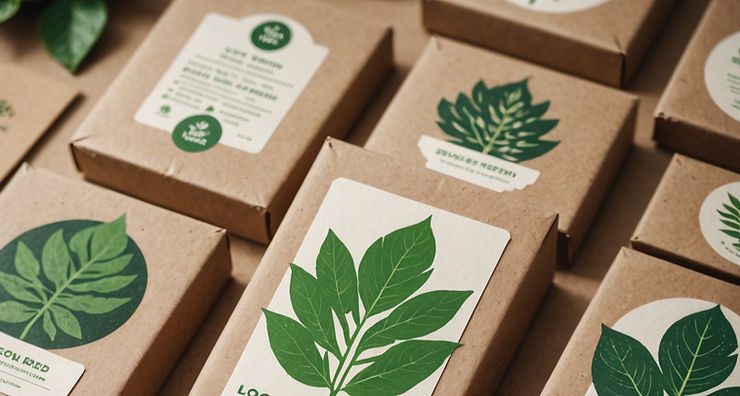
Paper is the most traditional and cost-effective label material. It's versatile, easy to print on, and available in a range of finishes—matte, gloss, textured, and uncoated.
Pros:
- Economical
- High print quality
- Wide variety of textures and finishes
Ideal for:
- Food jars, wine bottles, and boxed goods
- Boutique products and artisan goods
- Temporary or seasonal promotions
Considerations:
Paper labels are not moisture-resistant and can tear or smudge easily if exposed to water or oils. They’re best suited to indoor use and dry environments.
Polypropylene (PP) Labels
Best for: Moisture-prone environments and squeezable packaging
Polypropylene is a type of plastic film that’s resistant to water, oils, and chemicals. It’s flexible and durable, making it a popular choice for everyday consumer products.
Pros:
- Water-resistant
- Affordable and durable
- Suitable for curved or squeezable packaging
Ideal for:
- Cosmetic tubes, shampoos, and conditioners
- Refrigerated or frozen foods
- Household cleaning products
Considerations:
PP labels are not as rugged as polyester when it comes to outdoor use, but they offer a great balance between flexibility and resilience for most consumer goods.
Polyester (PET) Labels
Best for: Harsh environments and industrial use
Polyester labels are extremely tough. They resist abrasion, chemicals, and extreme temperatures, making them ideal for outdoor or heavy-duty applications.
Pros:
- UV and heat resistant
- Tear-proof and chemical-resistant
- Long-lasting
Ideal for:
- Automotive and machinery labels
- Electronics and warning labels
- Durable branding for outdoor gear
Considerations:
They're more rigid and can be slightly more expensive than other materials, but they're worth the investment due to their durability and longevity.
Final Thoughts
When choosing a label material, think beyond the shelf. Will it be exposed to water? Sunlight? Chemicals? Will the surface be flat or curved? Does your brand call for a rustic, eco-friendly look or a sleek, glossy finish?
Feeling overwhelmed with choices?
At Bespoke Labels, we help brands select and customise the perfect label materials tailored to their needs — from food-safe adhesives to weather-resistant films. Whatever your product, there’s a material that will match its journey from packaging to purchase.
Need guidance on your next label project? Reach out to our team — we’re here to help bring your packaging to life, beautifully and functionally.
// Resources
Latest news & stories
// Published on
6th July 2026
// Read time
2 min read
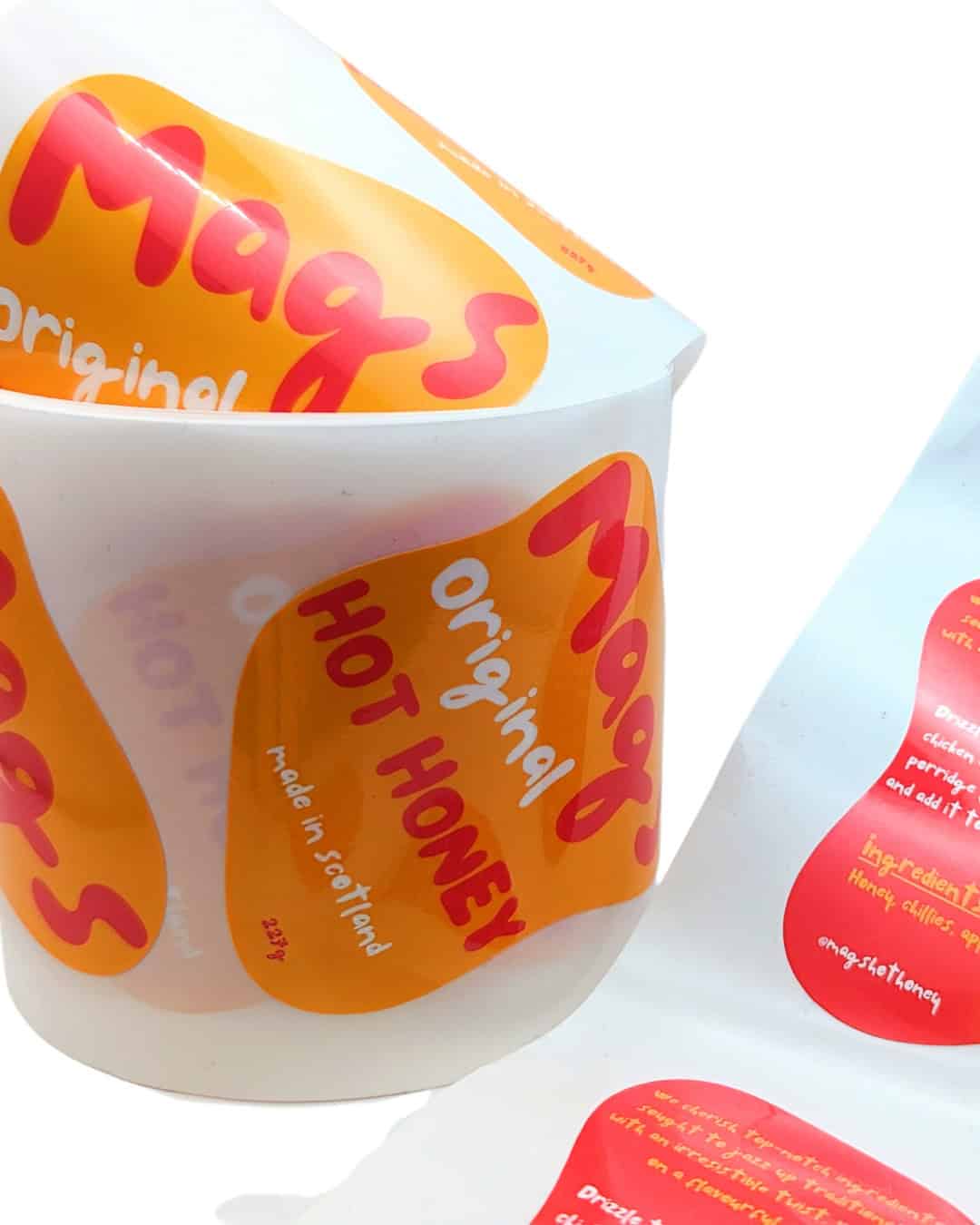
Will Your Labels Survive the Journey?
When businesses invest in custom printed labels, it's natural to focus on design. But there's another question that's just as important: Will your labels survive the journey?...
// Published on
3rd June 2026
// Read time
2 min read
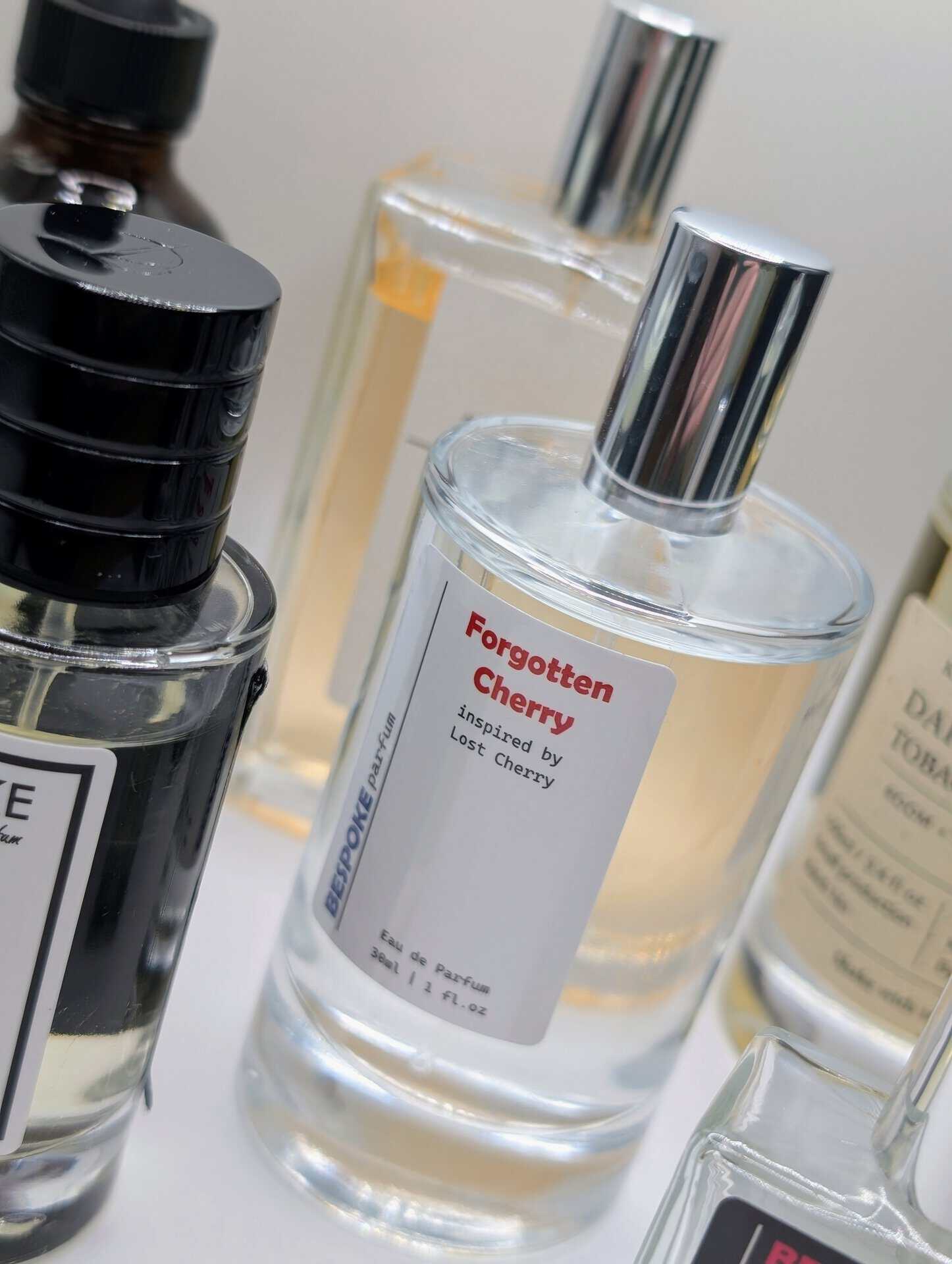
How Perfume Brands Stand Out in a Competitive Market
The perfume industry has never been more competitive. While fragrance remains the heart of any perfume brand, the first thing a customer notices is often the packaging. Before a customer...
// Published on
7th April 2026
// Read time
2 min read
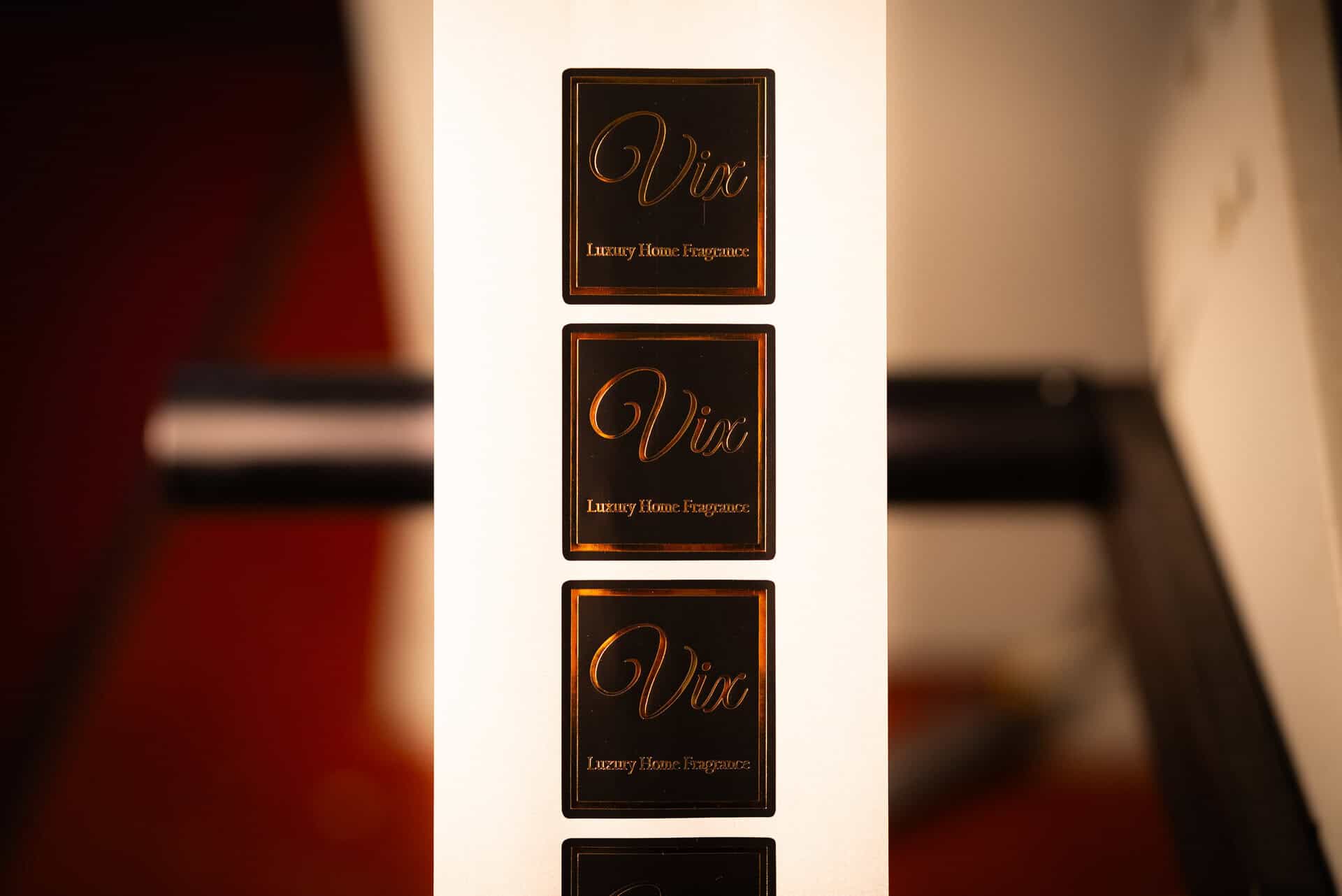
Why Label Consistency Matters More as Your Business Grows
When businesses first start, labels are often one of the last things on the to-do list. The focus is usually on getting the product right, building the brand, and getting...
Book your free consultation
During your free 30-minute consultation, we’ll explore your labeling needs and help you understand the possibilities for your project. Our friendly team will guide you through material options, quantities, and timelines while answering any questions you have about the process.
We’ll cover
Your product requirements and environment challenges
Material and finish options with sample demonstrations
Quantity breaks and pricing structures
Production timelines and delivery options
Next steps and artwork specification
Book your call today